
Cooking beef liver does not need to be difficult. In fact it is one of the most nutrient dense foods you can enjoy. This guide will show you how to prepare beef liver and onions a classic and flavorful recipe that preserves the natural richness of the meat while ensuring it remains tender and delicious. Liver has been a staple in many diets for centuries offering a wide range of health benefits that many other meats simply can not provide.
The beef liver is especially known for its rich nutritional profile making it an excellent source of iron vitamins and protein. It is one of the best sources of heme iron which is crucial for maintaining healthy red blood cells. Alongside iron beef liver is packed with essential nutrients such as vitamin A, vitamin B12 and omega 3 fatty acids. When prepared and cooked properly beef liver can be a delicious nutrient rich addition to your diet.
Introduction to Cooking Beef Liver
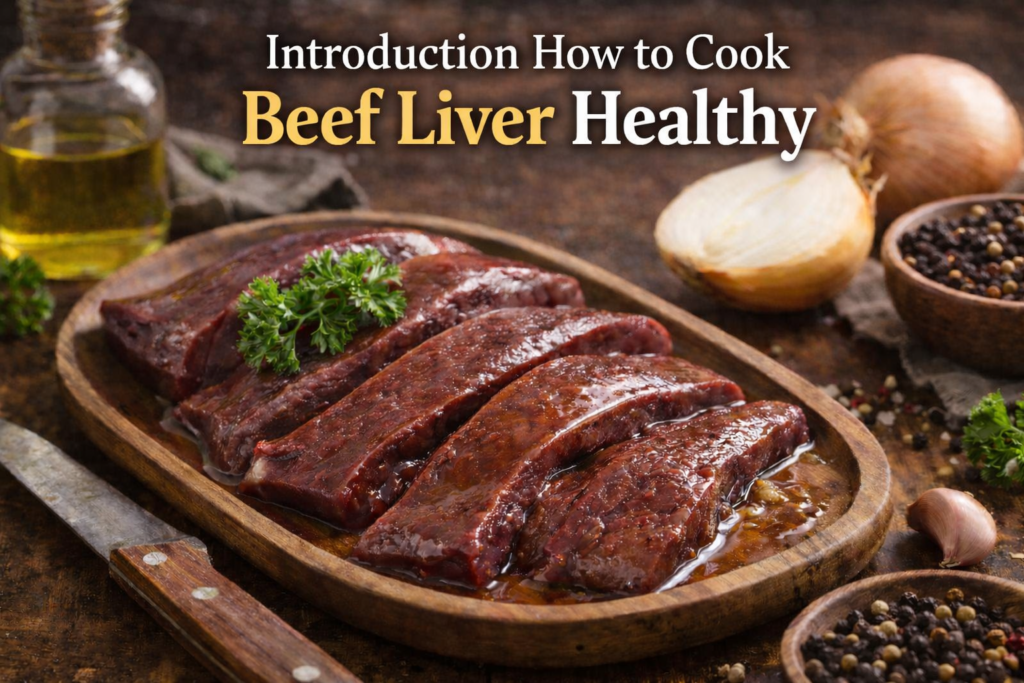
(How to Cook Beef Liver Healthy) Beef liver is a highly nutritious organ meat that is rich in iron, protein and vitamins. Many people avoid it due to its strong taste or fear of overcooking, which can make it tough and grainy. However when cooked correctly liver becomes tender, juicy and full of flavor. In this guide we will explore the best methods for cooking beef liver and onions, ensuring you can enjoy the benefits of this superfood while avoiding common pitfalls.
Liver may seem intimidating to prepare but it is actually quite simple once you understand the basics. The key to a flavorful and tender beef liver is cooking it to the right internal temperature and pairing it with the right seasonings. This guide will walk you through the essential steps of preparing and cooking liver making sure you achieve the perfect texture without the risk of overcooking.
Step by Step Guide to Cooking Beef Liver and Onions
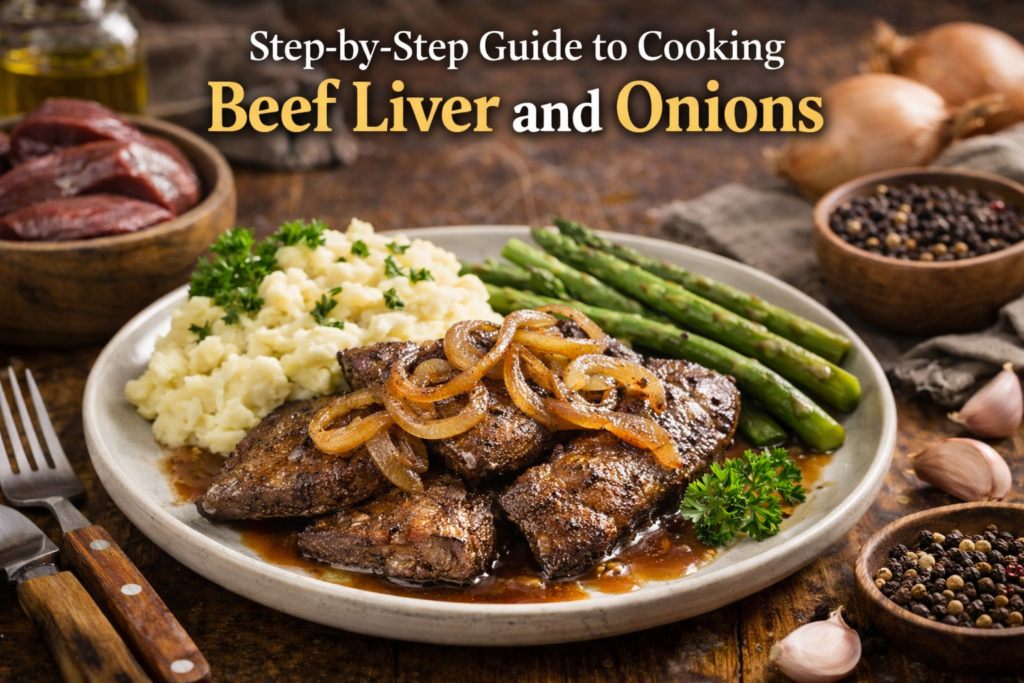
The key to cooking beef liver with onions is to keep it simple. Here is how you can make the perfect liver and onions dish.
Preparing Beef Liver Slices
Start by slicing your beef liver into 1/2 inch slices. It is important to rinse the liver under cold water to remove any impurities. Once rinsed pat it dry using paper towels. Drying the liver ensures that it sears properly when placed in the skillet preventing it from becoming too watery. This also helps to create a crispy outer texture while keeping the inside tender.
If you are concerned about the strong flavor soaking the liver in milk for about 30 minutes can help reduce the gamey taste. This is an optional step but it works well for those who are sensitive to the liver taste.
Sautéing the Onions
In a skillet over medium high heat melt a tablespoon of butter or oil. Add your sliced onions to the skillet and cook them until they become soft and caramelized. This process usually takes around 10 to 15 minutes. Stir the onions frequently to prevent them from burning. As the onions cook they will release natural sugars becoming golden brown and sweet. These caramelized onions will add a deep savory flavor that balances the richness of the beef liver.
Cooking Beef Liver
Once the onions are cooked to perfection push them to one side of the skillet. Add a little more butter or oil to the empty side of the pan and heat it up. Carefully place the beef liver slices in the skillet. It is important not to overcrowd the pan as this can cause the liver to steam rather than sear. Let the liver cook for about 2 to 3 minutes on each side depending on your preferred level of doneness. For a tender slightly pink liver be sure not to overcook it. Overcooked liver can turn tough and grainy so monitor it closely.
Check the internal temperature using a meat thermometer to ensure it reaches 160°F (71°C). Once the liver is cooked remove it from the skillet and let it rest for a few minutes before serving.
Seasoning and Finishing Touches
While the beef liver is cooking season it generously with salt and pepper. You can also add other seasonings such as garlic powder or onion powder to enhance the flavor. If you enjoy a richer flavor you can deglaze the pan with a small amount of gravy or broth after removing the liver to create a delicious sauce that can be poured over the finished dish. Once the liver is done remove it from the skillet and serve it over mashed potatoes or alongside sautéed asparagus for a complete meal.
Benefits of Beef Liver
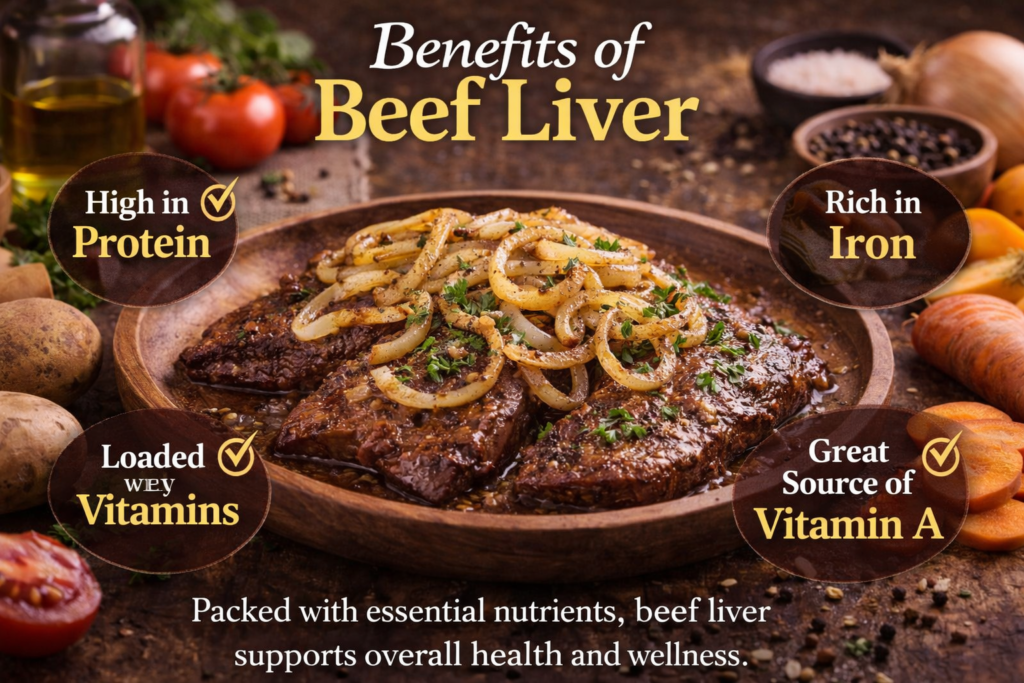
Beef liver is an incredibly nutrient dense food offering a wide array of benefits for your health. Let’s take a look at some of the key benefits that come with incorporating liver into your diet:
Rich in Iron
One of the most notable benefits of beef liver is its high iron content. Beef liver contains heme iron which is more easily absorbed by the body compared to non heme iron found in plant based foods. Iron is crucial for the production of red blood cells and helps to prevent iron deficiency anemia. Eating liver can help maintain optimal iron levels in your body keeping you energized and preventing fatigue.
Excellent Source of Protein
Beef liver is an excellent source of high quality protein which is essential for muscle growth tissue repair and immune function. Each 3.5 ounce (100g) serving of beef liver provides around 27 grams of protein making it a great addition to a high protein diet. This makes liver a valuable food for athletes bodybuilders and anyone looking to maintain lean muscle mass.
Packed with Vitamins
Beef liver is packed with vitamins like vitamin A B12 and niacin. Vitamin A is important for maintaining healthy vision skin and immune function. B12 is essential for nerve health and red blood cell production while niacin also known as vitamin B3 plays a key role in energy production and overall metabolic health.
Omega-3 Fatty Acids
Another reason to include beef liver in your diet is its content of omega-3 fatty acids which are essential for heart health and reducing inflammation. Omega-3s are known for their ability to lower blood pressure and improve overall cardiovascular function.
Common Mistakes to Avoid While Cooking Beef Liver
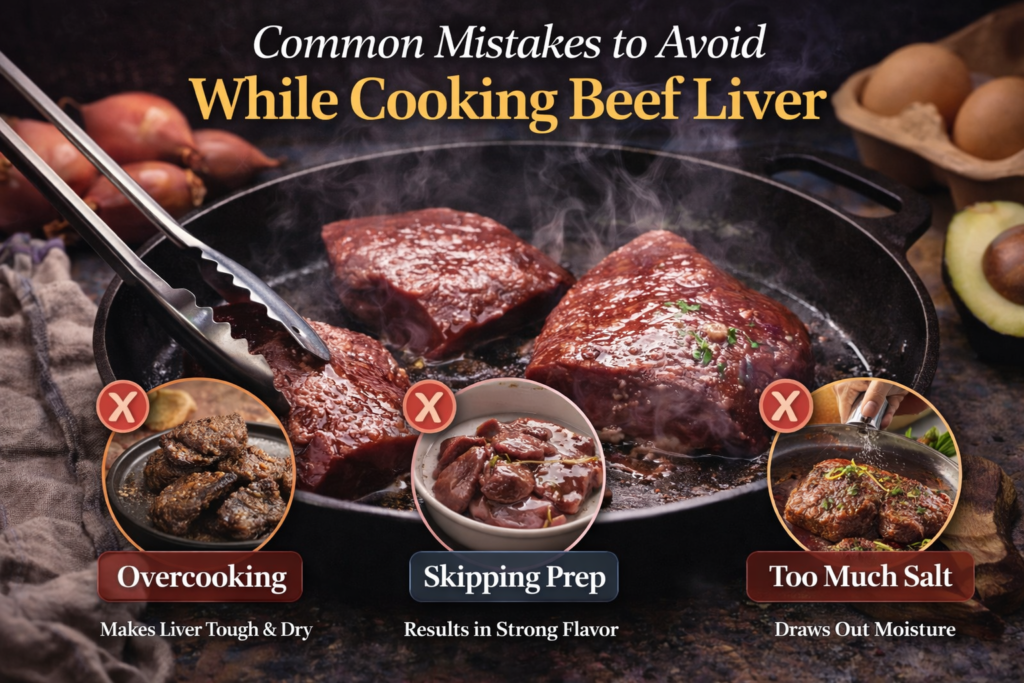
Cooking beef liver can be tricky especially if you have never cooked it before. Here are some common mistakes to avoid to ensure you get a perfect meal every time.
Overcooking the Liver
One of the most common mistakes is overcooking the liver. If you cook it for too long it can become tough dry and unpleasant to eat. The secret to perfect liver is to cook it on high heat for just a few minutes on each side leaving it slightly pink in the middle. The internal temperature should reach 160°F (71°C) for optimal tenderness.
Not Rinsing the Liver
Before cooking beef liver be sure to rinse it under cold water and pat it dry with paper towels. This step helps remove any residual blood and impurities which can affect the flavor and texture of the finished dish.
Skipping the Seasoning
Because liver has a strong flavor it is important to season it well. Do not skip the salt and pepper and feel free to add other seasonings like garlic, thyme or even a touch of vinegar to balance the richness of the liver.
Best Liver and Onions Recipe for Tender Flavorful Meat
Here is the best liver and onions recipe to get perfectly cooked beef liver with sweet caramelized onions. The key is to cook the liver slices quickly at high heat while ensuring the onions are slow cooked to a soft sweet perfection. This recipe will make you fall in love with beef liver even if you have never been a fan of organ meats before.
How to Serve Beef Liver and Onions
Once your beef liver is cooked to perfection it is time to serve it. Liver and onions pair beautifully with a variety of sides. A classic choice is mashed potatoes which can absorb the rich flavors of the liver and onions. You can also serve it with sautéed asparagus for a lighter healthier option. For a more decadent meal a side of gravy made from the pan drippings can add extra flavor and richness.
Comparison Table: Beef Liver vs Chicken Liver
| Nutrient | Beef Liver | Chicken Liver |
| Calories | 175 per 3.5 oz | 140 per 3.5 oz |
| Protein | 27 grams | 24 grams |
| Iron | 6.2 mg (34% DV) | 3.9 mg (22% DV) |
| Omega-3 Fatty Acids | 0.1 grams | 0.1 grams |
| Vitamin A | 22,000 IU (440% DV) | 11,000 IU (220% DV) |
| Niacin (Vitamin B3) | 11.6 mg (58% DV) | 7.7 mg (38% DV) |
Conclusion
Cooking beef liver does not have to be intimidating. By following the right techniques you can transform this nutrient-packed organ meat into a delicious tender dish. Whether you are new to liver or a seasoned pro liver and onions is a simple and satisfying recipe that highlights the rich flavor and numerous health benefits of beef liver. From boosting your iron levels to providing an excellent source of protein and vitamins beef liver is a superfood worth incorporating into your diet. With the right preparation and seasoning you will enjoy a healthy flavorful meal every time.
How do I reduce the strong taste of beef liver?
To reduce the strong liver taste soak the beef liver in milk for about 30 minutes before cooking. This helps mellow the flavor. Additionally seasoning it well with salt and pepper and cooking it with caramelized onions can balance the richness.
What is the best way to cook beef liver without making it tough?
The key to cooking tender beef liver is to avoid overcooking. Cook the liver slices in a skillet for about 2 to 3 minutes on each side leaving it slightly pink inside. Check the internal temperature which should reach 160°F (71°C) for optimal tenderness.
Can I substitute chicken liver for beef liver in recipes?
Yes chicken liver can be used in place of beef liver in most recipes. However chicken liver has a milder taste and softer texture compared to beef liver so cooking times may vary slightly.
What are the health benefits of eating beef liver?
Beef liver is an excellent source of iron which supports red blood cells and vitamin A, essential for eye health. It is also packed with protein, niacin and omega 3 fatty acids contributing to overall wellness and energy levels.
How do I know when my beef liver is properly cooked?
To ensure beef liver is properly cooked use a meat thermometer to check the internal temperature. It should reach 160°F (71°C). The liver should be slightly pink in the center for the best texture. Avoid overcooking to prevent it from becoming tough and dry.