
If you have ever searched for a healthy asian plan and ended up overwhelmed by long ingredient lists confusing nutrition advice or meals that do not feel satisfying you have not alone. This guide is built for real life simple steps clear choices and food that still feels like delicious asian comfort. You will learn how to build balanced meals that support healthy eating save time and reduce guesswork without turning dinner into a full time job.
Healthy Asian Recipes : Asian Diet Basics
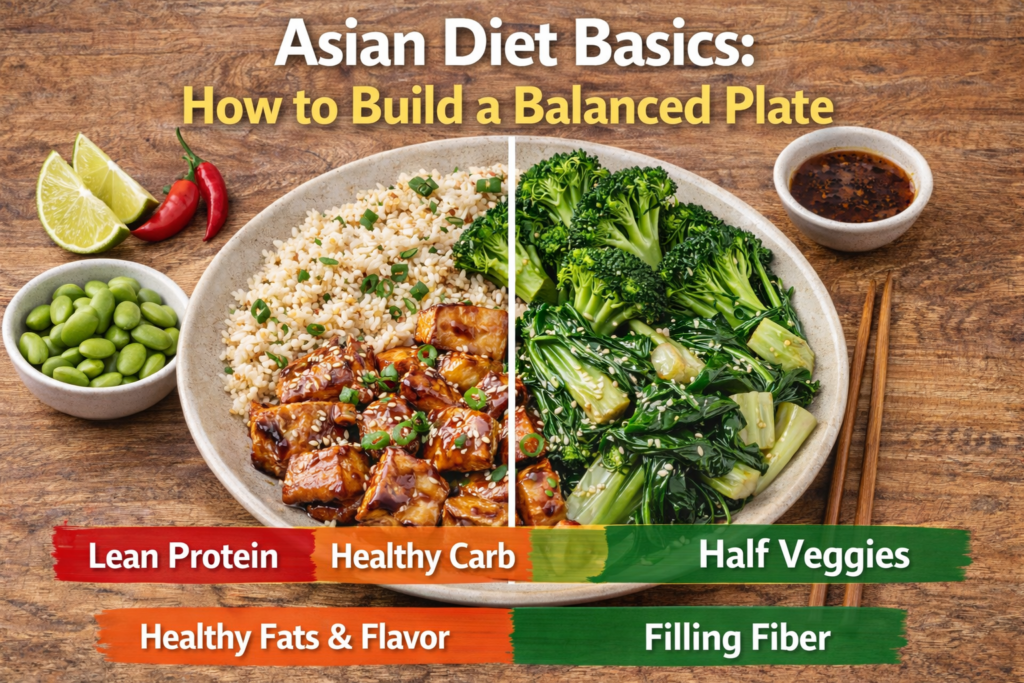
When people say Asian food is healthy they are usually describing a pattern more vegetables smarter portions and better balance of carbs and protein. An asian diet does not have to be strict to work it simply needs structure.
Vegetables and Protein First
A reliable way to build consistency is to plan your plate around vegetables and protein first. When you start with that foundation you naturally reduce overeating without feeling restricted. Keep vegetables as the largest part of the meal. Add protein that keeps you full. Finish with carbs as support not the entire meal.
Choose Smart Carbs
You do not need to fear carbs. You can include whole grains or lighter swaps depending on your goal. For example, if you want volume with fewer calories you can rotate in cauliflower rice especially when you are craving rice based meals but want a lighter feel.
Asian Cuisine at Home: Make Dinner Recipes Easier
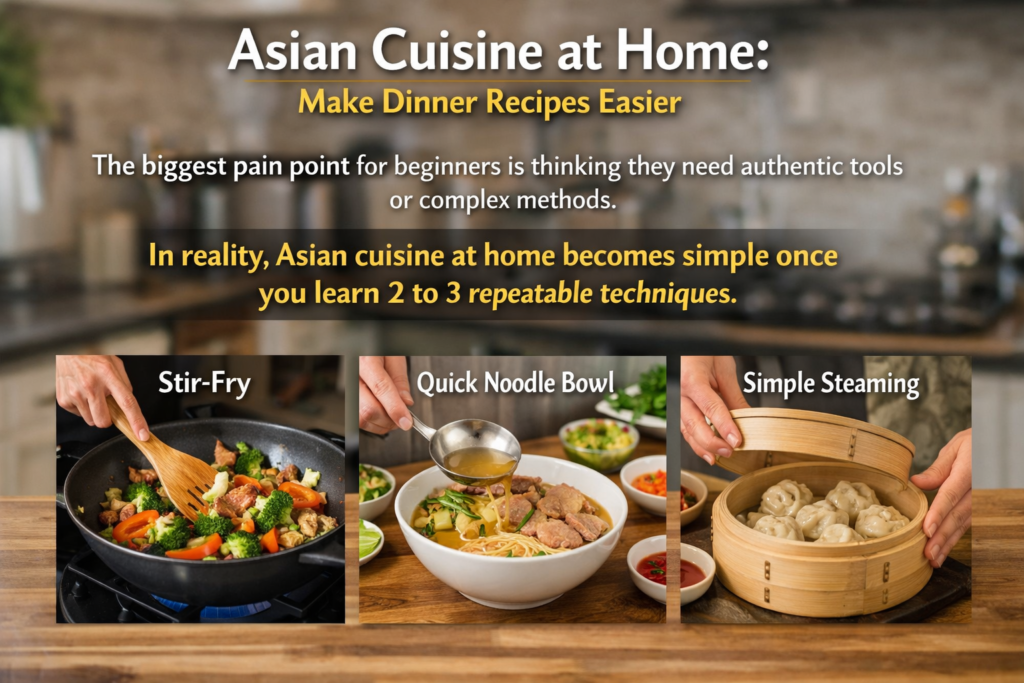
The biggest pain point for beginners is thinking they need authentic tools or complex methods. In reality asian cuisine at home becomes simple once you learn 2 to 3 repeatable techniques.
The Weeknight Method
On a weeknight you want speed and predictability. The goal is not perfection it is a reliable plan you will repeat. Pick one protein. Pick one vegetable base. Pick one sauce style. Cook fast serve immediately. This keeps your dinner recipes doable and prevents the I will just order food trap later.
Meal Prep Without Boring Repeats
A little meal prep helps you stay consistent especially when schedules get chaotic. The trick is to prep components not complete meals so you do not feel stuck eating the same thing all week. Prep protein portions. Wash and chop vegetables. Mix one sauce base. Cook fresh when you are ready.
Asian Recipes for Weight: What People Get Wrong
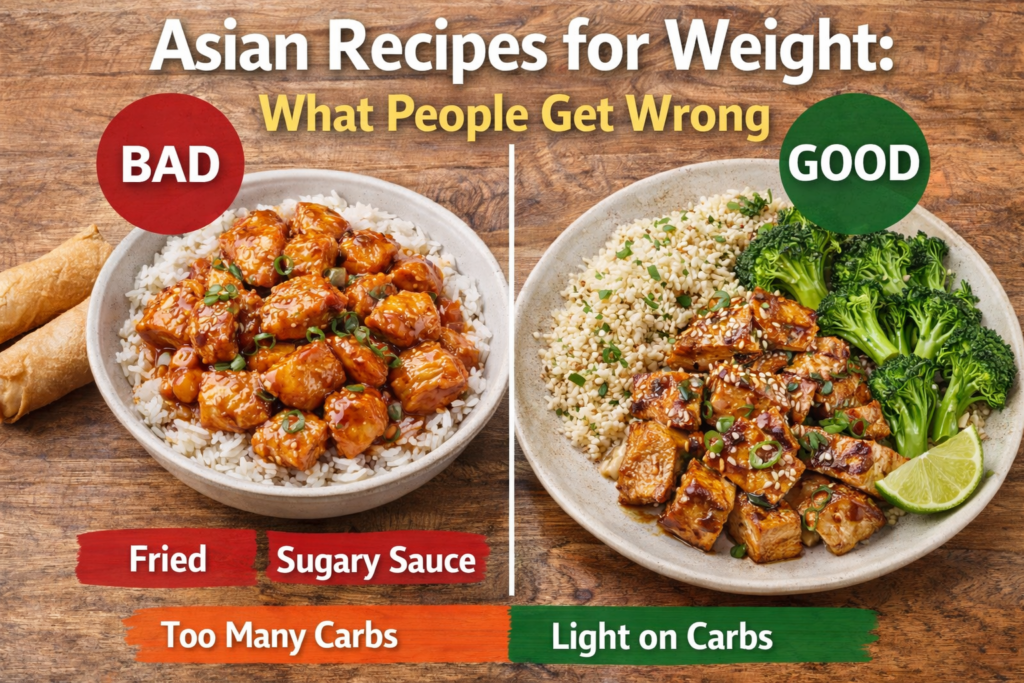
Most people fail with asian recipes for weight goals because they copy restaurant style portions or use heavy sauces without realizing it. The fix is not stop eating Asian food it’s learning where the calories hide.
Healthy Fats vs Hidden Fats
Healthy cooking still uses healthy fats but the problem is accidental overuse. A little goes a long way especially when cooking quickly on high heat.
Portion Clarity for a Healthy Dinner
A sustainable healthy dinner is one that satisfies you and does not trigger late night snacking. If your meal feels light but not filling add more vegetables and protein before you add more carbs. If you want a light dinner focus on soups vegetable heavy plates and controlled carbs not tiny portions that leave you hungry.
Noodle Meals Done Right: From Noodle Recipe to Noodle Bowl
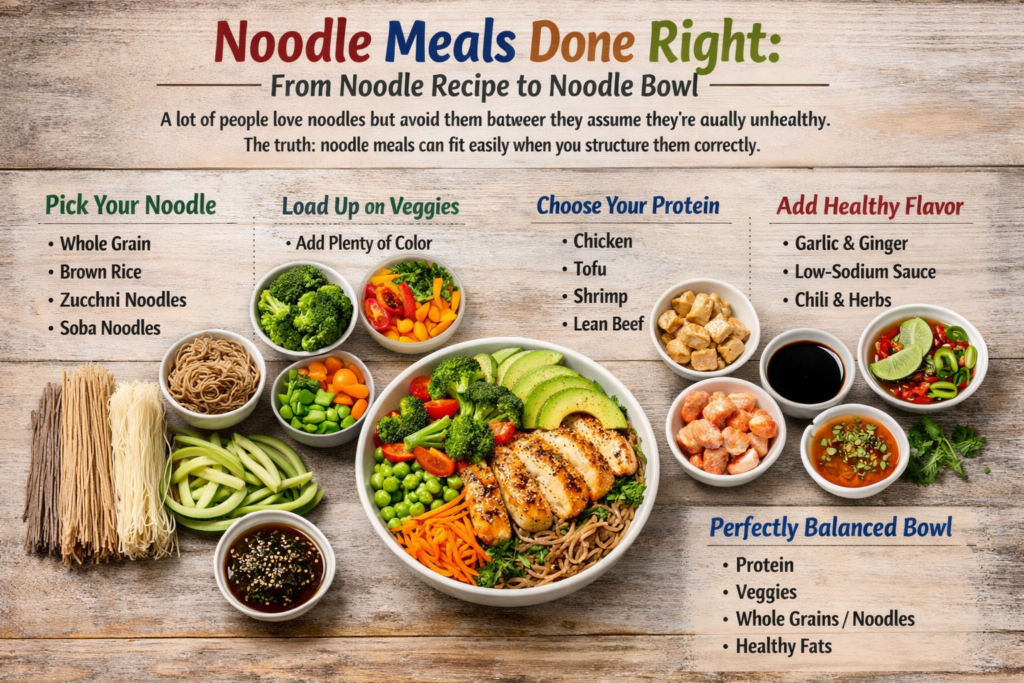
A lot of people love noodles but avoid them because they assume they are automatically unhealthy The truth noodle meals can fit easily when you structure them correctly.
Pick the Noodle Type
For a clean light texture choose rice noodles or vermicelli and build the bowl around vegetables and protein.
Make a Balanced Noodle Recipe
A good noodle recipe works when noodles are the support not the entire meal. Add vegetables first. Add protein second. Add noodles last. Add sauce lightly. How to Avoid the Heavy Bowl If your noodles feel too dense increase the vegetables and keep sauce controlled. You will still get the comfort but the meal stays balanced.
Tofu and Plant-Based Protein: Easy Wins for Busy Cooks
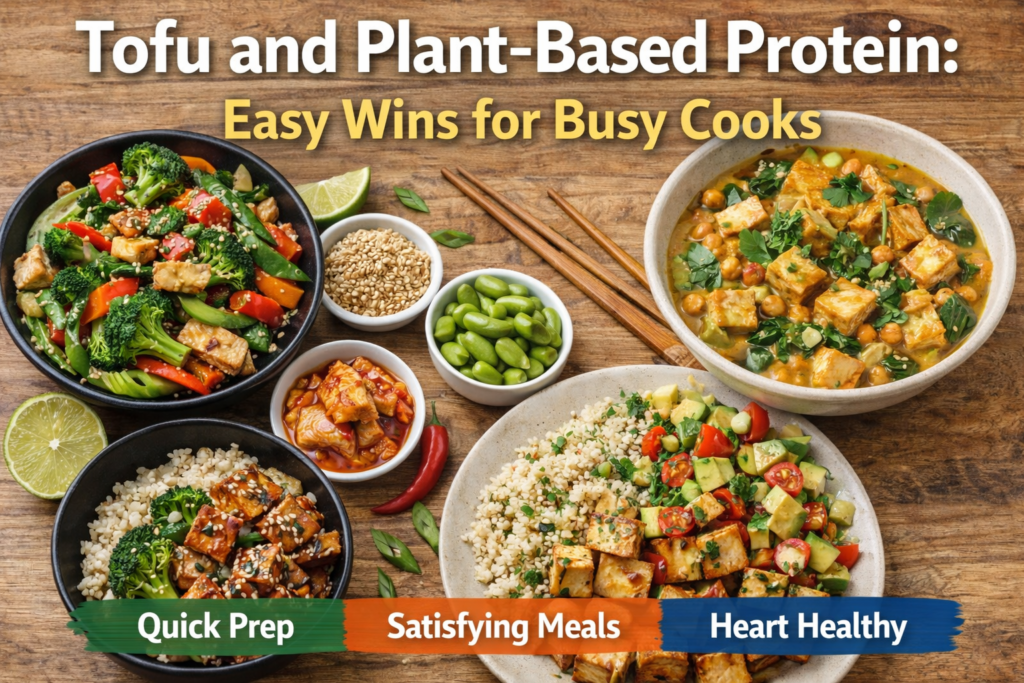
If you want a flexible affordable option tofu is one of the easiest ingredients to master. It is also a strong plant-based protein choice because it absorbs flavor and cooks quickly.
Tofu Texture That Actually Works
Most tofu complaints come from texture. The fix is simple press lightly season well and cook with confident heat so it doesn’t turn soggy.
Tofu Soup for a Light Meal
A warm tofu soup is ideal when you want something comforting without heaviness. It is also a good starter template for quick soup nights.
Vegetarian Options That Still Feel Filling
If you are exploring vegetarian options combine tofu with vegetables and a small amount of sauce so the meal has both volume and satisfaction.
Miso, Broth and Umami: Flavor Without Overdoing Sauce
If your home cooking tastes flat you are usually missing depth. That is where umami and fermented ingredients shine.
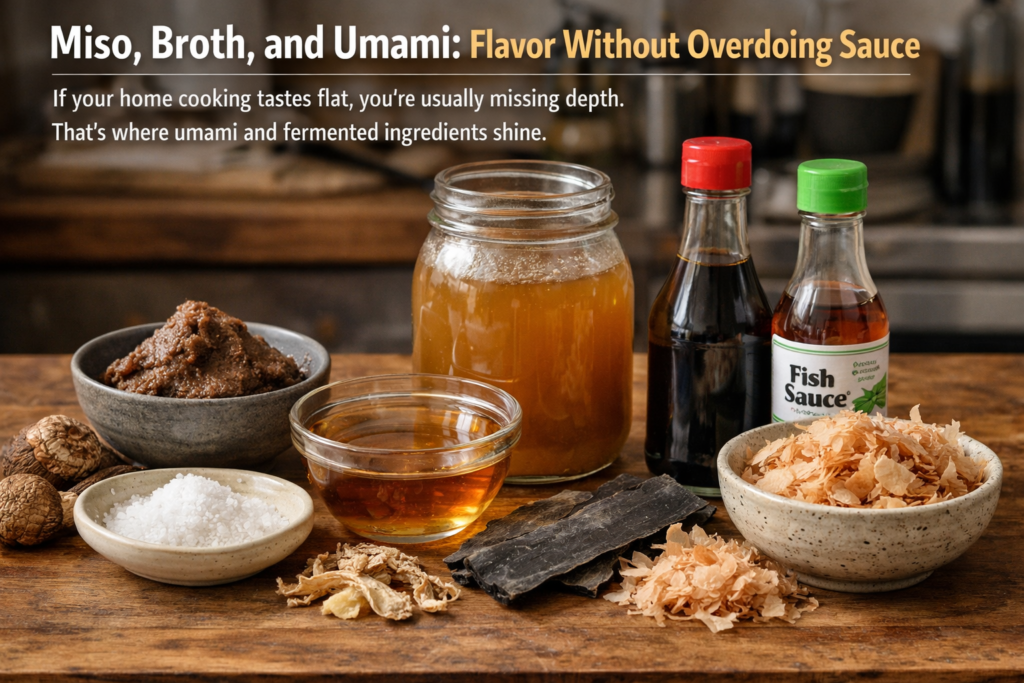
Build Depth with Broth
A simple base using broth can transform a soup or sauce into something richer without extra oil.
Use Miso Correctly
Miso adds depth and complexity but it is easy to misuse if you boil it aggressively. Keep the heat gentle and stir it in near the end.
Miso Paste vs Miso Soup
Using miso paste gives you control over flavor strength. A simple miso soup can also be your go to when you want something fast and calming.
Make a Simple Soup Recipe
A comfort focused soup recipe can be built quickly with broth miso vegetables and tofu especially when you need a predictable meal.
Thai Flavor Logic: Fresh Bright and Balanced
If you love bold flavor but want balance thai cooking is a great model. It often uses contrast salty sour spicy and a little sweet so food feels exciting without being heavy.
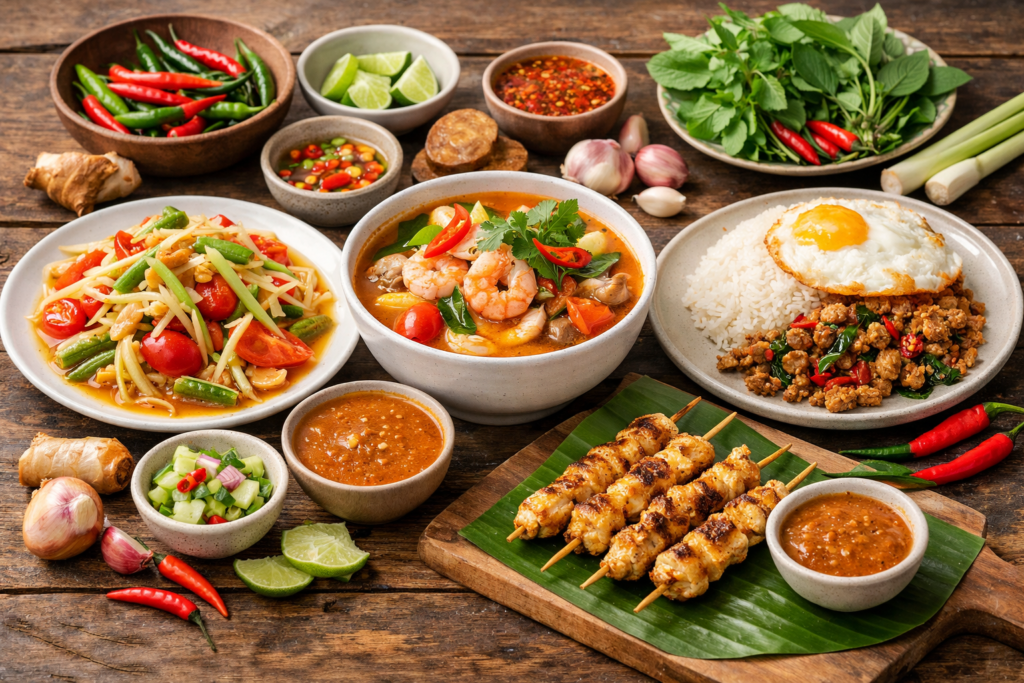
Thai Chicken for Lean Meals
A simple thai chicken dinner works well when you keep the protein lean. Use chicken breast or lean chicken and build the plate with vegetables.
Sweet and Spicy Without Going Overboard
The goal is sweet and spicy balance not sugar overload. Keep the sweetness light and let freshness do the work.
Stir Fry Skills: Crisp Veggies Fast Cooking Better Texture
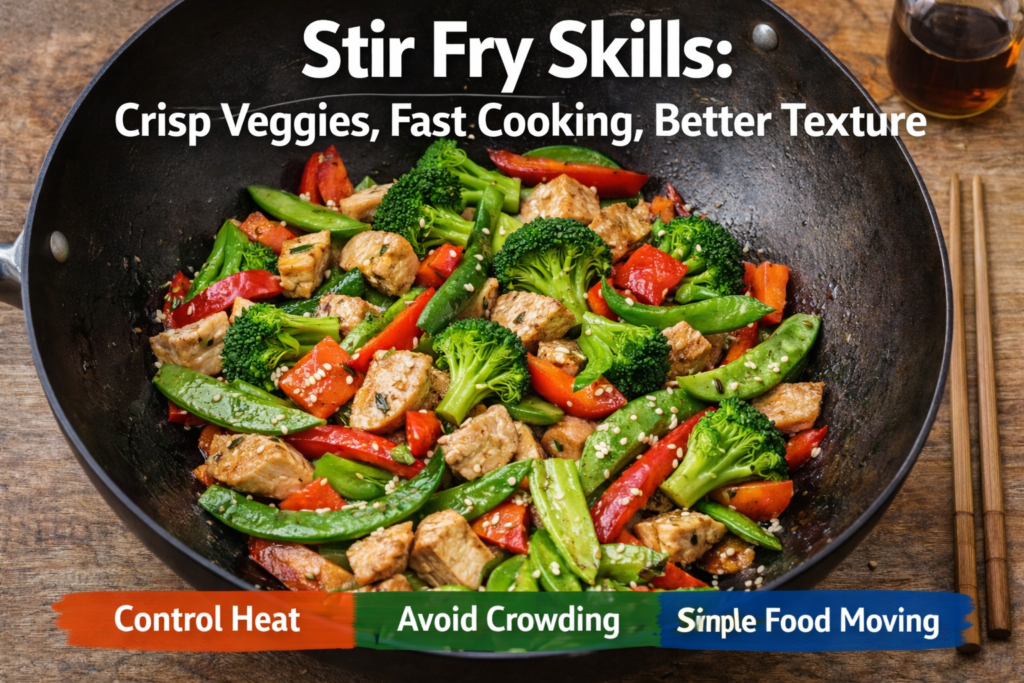
Stir frying is one of the fastest ways to cook but beginners often end up with watery vegetables or uneven texture. A controlled stir fry is about heat timing and not crowding the pan.
Vegetable Stir Fry That Stays Crisp
A vegetable stir fry should keep texture. If vegetables go soft you are usually cooking too long or overcrowding the pan. Aim for crisp veggies and quick cooking so the vegetables stay enjoyable.
Stir-Fried Vegetables That Taste Clean
Use high heat and short cooking time. A small amount of sesame oil can add aroma without making the dish heavy.
Stir Fried Bok Choy Done Right
If you want a fast vegetable that feels satisfying try stir fried bok choy and keep the timing tight. To add variety and color pair it with green beans and serve with protein.
Sauce Control: Soy Sauce, Sesame and Dipping Sauce Choices
Sauces are where many healthy meals quietly become heavy. Good flavor comes from balance not volume. Use soy sauce carefully and focus on layering flavor rather than pouring. A little sesame can add aroma and lift.
Simple Sauce Building:
Add a Dipping Sauce for Control
Sometimes the best trick is using a dipping sauce on the side so you control how much you actually eat. If you like deeper richer flavors you can use hoisin in a small amount. For a sharper saltier punch fish sauce can work well in tiny quantities. Make It Feel Like Takeout But Better Many people order takeout because it feels easy. You can recreate that satisfaction at home with smarter portions and cleaner cooking. And if you are trying to mentally break the habit of ordering take out start with just one copycat night per week.
Rice Options: Fried Rice vs Lighter Swaps
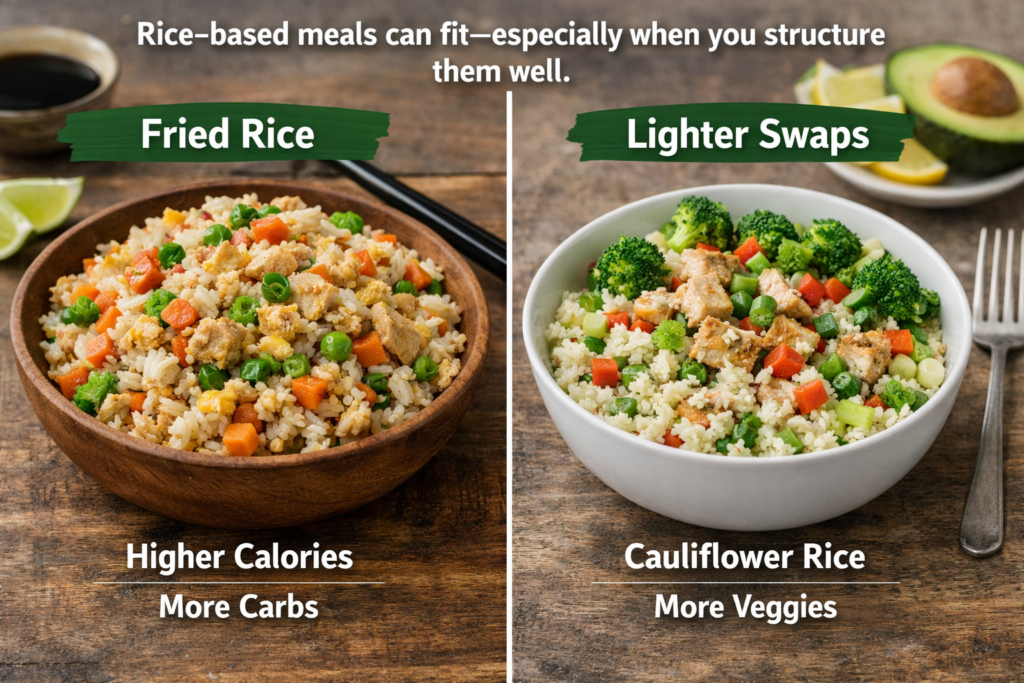
Fried Rice Without the Overload
Classic fried rice can be adjusted by reducing oil adding vegetables and prioritizing protein.
Use Fresh Vegetables and Fresh Veggies for Volume
Adding fresh vegetables makes the meal feel bigger without needing extra rice. If you’re short on time even quick prep fresh veggies help balance the plate.
Cucumber, Bok Choy and Simple Asian Food Recipes
To stay consistent, you want simple meals you will actually repeat. Clean refreshing sides help. A quick cucumber option adds crunch and contrast, and bok choy cooks fast and pairs easily with many proteins. This approach makes asian food recipes feel lighter and more balanced over time.
Healthy Habits That Make It Stick
Consistency beats perfection. The reason people quit is usually not taste it is convenience, boredom or confusion. Building healthy habits means keeping a short list of repeatable meals and rotating flavors so you do not get stuck. Over time your routine becomes easier and these meals naturally turn into your default healthy asian meals. If you want easy asian routines start with two repeating meal templates and rotate vegetables and sauces.
Comparison Table: Quick Decisions for Asian Meals
Use this table when you are deciding what to cook based on your goals time and mood.
| Goal | Best Pick | Why It Works | What to Watch |
| Fast weeknight dinner | Thai chicken + vegetables | Lean quick high flavor | Do not overload sauce |
| Lighter bowl | Noodle bowl with vegetables + protein | Balanced comfort easy portions | Keep noodles as support |
| Plant based meal | Tofu + vegetables | Quick filling flexible | Season and cook properly |
| Comfort craving | Fried rice with added vegetables | Familiar satisfying | Increase vegetables first |
| Soup night | Miso soup + tofu | Warm light calming | Don’t boil miso hard |
| Sauce lovers | Dipping sauce on the side | Control and flavor | Use small amounts |
Conclusion: Make It Practical Not Perfect
Building healthy Asian meals at home does not require complicated rules or restrictive diets. By focusing on a balanced plate with vegetables protein and smart carbs you can create meals that are both satisfying and nutritious. Embrace simple cooking techniques like stir frying, noodle bowls and steaming and make use of versatile ingredients like tofu for plant based options. Portion control along with smart choices in sauces and ingredients will help keep your meals healthier without compromising on flavor. With consistency and a bit of meal prep you can easily incorporate these practical repeatable systems into your routine making healthy Asian eating a natural and enjoyable part of your lifestyle.
What are the basics of building a balanced Asian plate?
To create a balanced Asian meal focus on making vegetables the largest portion of the meal followed by a portion of protein, and then smart carbs like whole grains or lighter options like cauliflower rice. This structure helps you maintain balance and avoid overeating while still enjoying a satisfying meal.
How can I make Asian meals healthier for weight loss?
To make Asian meals more weight conscious focus on portion control and avoid restaurant style servings which tend to be larger and high in calories. Choose lighter sauces limit oil usage, and include more vegetables in the dish to keep the meal filling but lower in calories.
What are some quick and easy methods for cooking Asian food at home?
The key to cooking Asian food at home is mastering a few simple techniques stir frying vegetables and protein preparing quick noodle bowls and using a bamboo steamer for dumplings. These methods are quick, adaptable and can be repeated to create a variety of flavorful meals.
How can I incorporate tofu into my Asian meals for a plant-based option?
Tofu is an excellent plant-based protein option for Asian meals. Press and season it well to avoid a soggy texture, and cook it with high heat to achieve a crispy exterior. Tofu pairs well with vegetables and can be added to soups stir fries or noodle bowls for a filling meal.
What is the best approach for making healthier noodle dishes?
When making noodle dishes use noodles as a supporting element, not the main focus. Start with plenty of vegetables, add protein and use noodles sparingly. Choose lighter noodle options like rice noodles or vermicelli, and control the amount of sauce to maintain a balanced healthy meal.